
'Violence at all time low': Inspectors say prison near Rugby is one of safest in country

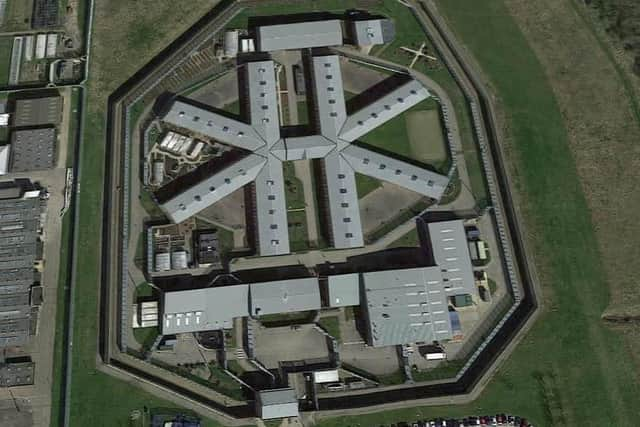
A prison near Rugby has been described as ‘one of the best and safest in the country’.
Inspectors said HMP Rye Hill, which is operated by G4S, was ‘progressive and innovative’ following an unannounced inspection by His Majesty’s Inspectorate of Prisons (HMIP).
Their report, published this week, found ‘a sense of hope amongst prisoners as they work their way through their sentences’. The Willoughby prison achieved the highest score possible - ‘good’ - across three of HMIP’s four key metrics: safety, respect and preparation for release.
Purposeful activity was rated as being ‘reasonably good’.

Inspectors also observed 12 examples of notable positive practice which other prisons may be able to learn from or
replicate, including training and support for new staff.
Lee Davies, Director of HMP Rye Hill, said: “We are so pleased to have received such a positive inspection report and, as HMIP recognises, the staff deserve so much credit for their dedication and professionalism.
"I’d like to thank the entire team at Rye Hill for their hard work.
“We take nothing for granted though and it means a lot that HMIP acknowledges how guarded we are against complacency, particularly regarding violence which is at an all-time low."
Lee said continual improvement across all aspects of the prison will always their focus.
Inspectors found the rate of violence ‘was now among the lowest of all adult male prisons’ and ‘very few incidents were serious’.
Despite this, leaders remained vigilant and ‘continued to act to improve safety further.’
Inspectors noted ‘the rate of recorded self-harm had decreased by one-third since the previous inspection and was among the lowest of all closed adult male prisons.’
They found support for those with the most complex needs was ‘particularly good.’
The report highlights the ‘positive mandatory drug testing (MDT) rate was among the lowest of all adult male prisons at less than 1%’ and that ‘reception and early days processes remained impressive.’
Staff-prisoner relationships were assessed as ‘excellent’ and were a ‘hallmark of the prison, with many men telling inspectors how well cared for they felt.’
Inspectors added: ‘Prisoners of all ages, backgrounds and levels of ability were able to participate meaningfully in the daily life of the prison.’
Inspectors observed that ‘almost all prisoners were allocated to full-time work or education and had about nine hours a day unlocked.’
They wrote: ‘Prisoners in education, skills and work were well behaved, polite, and had respectful relationships with peers and staff. Workshops and classrooms were calm, well ordered and conducive to learning and work.’
Of the prisoners surveyed by HMIP, 83% said their experiences at the prison had made them less likely to offend in the future.
Inspectors also said that public protection arrangements for prisoners were not robust enough.
In response, the prison has strengthened its systems to ensure every action taken is captured and any concerns are acted upon promptly.