
Bringing paw-sitive energy to Warwickshire care home
A luxury all-inclusive Warwickshire-based care home has welcomed a new therapy dog to join their current therapy pets in providing companionship and emotional support to residents.
Floss, a two-year-old Collie, has recently started visiting Jubilee House, a part of the Berkley Care Group, joining fellow therapy dogs Dexter and Belle in bringing comfort to residents.
Floss was originally purchased as a sheepdog but preferred playing with the sheep over herding them. Since then, she has been working as a therapy dog for the past three months, a role in which she has thrived.
Leanne, who owns two of the three therapy dogs, regularly brings Floss, and Belle to Jubilee House through Appoint Us Services (Midlands). Floss has quickly become popular with the residents due to her gentle nature. She is particularly known for sitting on beds and happily receiving cuddles, offering a soothing presence that has made a noticeable impact.
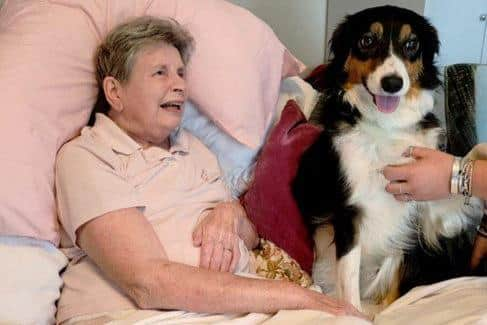

One resident, Sheila, who is bed-bound, was moved to tears upon meeting Floss, sharing that the dog reminded her of her first childhood pet. These kinds of connections are common during the therapy dog visits, with residents frequently reminiscing about their own pets.
Therapy dogs are an important part of life at Jubilee House, where regular visits offer emotional support, help reduce feelings of loneliness and encourage social interaction among residents. Scientific research supports the benefits of therapy animals in reducing anxiety and promoting overall well-being, making these visits a key part of the care provided at the home.
Commenting on the celebration, Philippa Cook, Jubilee House’s General Manager said:
“We’re really pleased to have Floss as part of our therapy pet programme. She’s such a gentle, friendly dog, and along with Dexter and Belle, she’s already become a big hit with the residents. The dogs bring so much happiness and really brighten up everyone’s day.
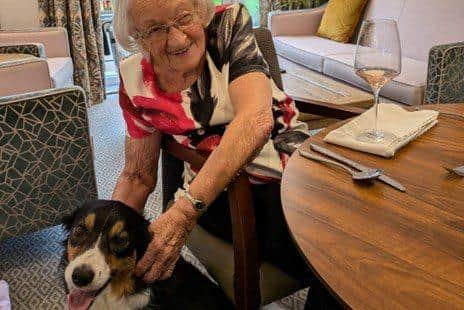
“It’s wonderful to see how much comfort they provide, especially when they help spark conversations and memories about pets our residents had in the past. It’s those moments that really make a difference”