
Rugby mum who lost teenage son to leukaemia warns parents to be aware of symptoms
A Rugby mum who lost her precious teenage son to leukaemia is warning parents to be aware of all the signs and symptoms.
Louise Bennett initially recognised her son’s tiredness, loss of appetite and swollen glands as possible signs of meningitis or sepsis, but cancer was “completely off our radar”.
Fred was diagnosed with acute lymphoblastic leukaemia in 2019 and died aged 14.
Louise is supporting CCLG’s Child Cancer Smart campaign, urging parents to look out for symptoms that persist, worsen or appear in clusters.
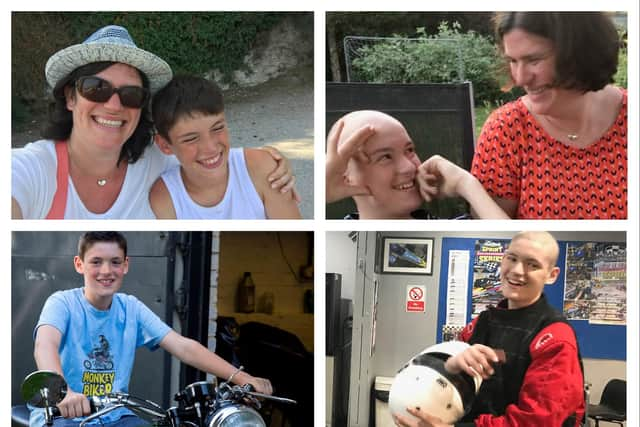

Fred was just 13 when he was diagnosed.
Louise said: “I didn't know anything about childhood cancer in terms of what to look for. I had memorised all the symptoms of meningitis. I knew about sepsis.
“I actually sent my husband a list of sepsis symptoms the day before we took him to the GP because that was in my mind.
“But a cancer diagnosis was completely off our radar.”
Fred had initially seemed simply tired and off his food, symptoms his family put down to typical teenage changes and the end of the school year. When his glands began to swell, they took him to the GP thinking it was probably glandular fever.
Louise added: “A blood test revealed that Fred had leukaemia, and within hours he was in A&E preparing to begin treatment at Birmingham Children’s Hospital.”
Her sports-loving son, who was loved by everybody, died in May 2020.
Louise is now sharing Fred’s story to highlight the importance of knowing the patterns, signs and symptoms of childhood cancer, just as parents are encouraged to recognise the signs of other serious illnesses.
Because the symptoms of childhood cancer can mimic common childhood illnesses and viral infections, CCLG's Child Cancer Smart campaign is encouraging parents and carers to look for patterns of symptoms rather than focusing on a single sign.
Parents and carers are being urged to recognise patterns of change in their child's health, as experts warn the risk of developing childhood cancer is comparable to other serious childhood conditions, including diabetes, epilepsy and bacterial meningitis.
Children's cancer experts at CCLG:The Children & Young People's Cancer Association, are warning that childhood cancer is more common than many people realise and are urging parents to look out for three patterns that could indicate further medical investigation is needed.
Dr Sharna Shanmugavadivel, a Paediatric Emergency Medicine doctor and the Child Cancer Smart Lead, explained: “Unfortunately, childhood cancer can be difficult to recognise because many symptoms, such as headache, vomiting or changes in behaviour, are also common in everyday childhood illnesses.
“Rather than focusing on a single symptom, we are encouraging parents and carers to look out for patterns of change in their child’s health that may need investigating.
“Parents know their child better than anyone. Our aim is not to cause concern, but to empower families with the knowledge and confidence to recognise when something feels different, speak to a healthcare professional when needed, and support earlier diagnosis that can improve outcomes for children with cancer.
“If symptoms don't go away after two weeks or something doesn't feel right, trust your instincts and see a doctor."
The three patterns to watch for, according to CCLG: The Children & Young People’s Cancer Association:
Persistent symptoms: Symptoms that do not improve or go away as expected and keep coming back after a child has been unwell. Parents and carers should look out for symptoms that last longer than expected or where their child is taking more time than usual to recover from an illness. A symptom that continues despite time and usual care may need further medical advice.
Progressive symptoms: Symptoms that get worse, become more frequent, or change over time rather than improving as expected. Parents and carers should look out for changes in the way symptoms develop, for example, a child may start with one symptom, such as a headache, but over time the symptom may become more severe or additional symptoms may appear.
Clustered symptoms: A group of symptoms that appear together rather than a single symptom on its own. Parents and carers should look out for combinations of symptoms, particularly when they occur at the same time, persist, or seem unusual for their child. For example, a child who has ongoing tiredness alongside unexplained bruising, persistent pain, fever, or a lump may need further medical advice.
To find out more visit https://www.cclg.org.uk/childcancersmart