
'This has shaken me to the core': Cawston pensioner's election vote rejected
A Cawston pensioner who is recovering from breast cancer has been told her postal vote in the elections wasn’t valid because the signatures didn’t match.
Sheila Townsend, 69, said her letter from Rugby Borough Council has ‘shaken her to the core’.
She said: “I am shocked at the contents of this letter stating my vote in the elections was not counted.
“No evidence or expertise of what they say is provided to me. I have emailed the elections office twice enquiring very specific questions about their claims my signature does not match a previous document.”
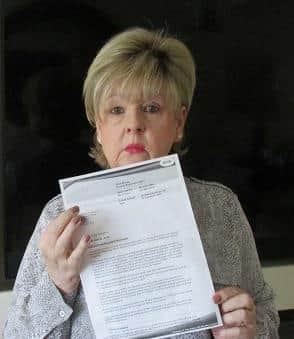

Sheila said Rugby Borough Council sent two generic replies about voting by post.
"I then telephoned the switchboard and a kind gentleman got me through to the author of the letter who acknowledged it is an opinion of a person and the software they use,” she added.
"They have not contacted me despite saying they would. The letter then threatens me that if I do not provide a signature by October 17 then I will not be able to vote by post. The letter is unbelievably shocking.”
Sheila is also angry to receive the letter so many months after the election.
She added: "Why has it taken so long after the election to be told this and not told before to allow me to vote in person as the postal votes were sent in weeks before the election?
“I am a 69 year old lady who is recovering from breast cancer.
“It has shaken me to the core that they sent this to me and it is sent months after the election. It is dated September 19.”
A spokesperson for the Returning Officer for Rugby said: “A Returning Officer must administrate elections under legislation set by Government and the rules surrounding postal voting – rules which form part of the legislation’s framework of measures to combat voter fraud – apply to every postal voter in the country.
“When you apply for a postal vote, you include the copy of your signature you wish the Returning Officer to refer to when adjudicating the authenticity of your postal vote at an election. Specialist computer software initially compares the signature on a postal vote with the signature of the voter we have on record, flagging all votes where it detects discrepancies between the signatures.
“All votes which have been flagged by the software then become subject to a further inspection by Deputy Returning Officers, with election agents and candidates from the political parties contesting the election allowed to challenge cases where Deputy Returning Officers believe the vote should rejected.
“Once a postal vote has failed the authentication process, the law dictates a Returning Officer must reject the vote and inform the voter of the reason for its rejection within three months of the date of the election.”