
Wildlife decline is an environmental disaster.
Climate change, harmful pesticides, new invasive species and habitat loss are all contributing to a devastating decline in wildlife populations, says a Warwickshire based gardening charity – as it calls on public support to tackle the environmental crisis.
There’s been a 73% decline in wildlife populations in the last 50 years* - but Garden Organic is convinced gardeners nurturing green spaces in an organic way will help stem the decline within the UK.
The sustainable gardening charity is urging the public to back its #MakeYourGardenMatter campaign this Christmas – by making small changes to how you garden and helping to raise £50K through its Big Give Christmas Challenge.
All donations made to the charity via the Big Give Christmas Challenge webpage between midday Tuesday, December 3 and midday Tuesday, December 10 will be doubled– making double the impact. Go to https://donate.biggive.org/explore and search for Garden Organic, to donate.

The big impact of your support
By donating to Garden Organic’s Big Give Christmas challenge the charity can help more people grow organically, creating thriving green corridors that are loved by wildlife and people alike.
Your funds will help the charity carry out trials, surveys and citizen science to understand the new challenges growers are facing through climate change, and unearth the best methods to deal with them.
Garden Organic will build on and share its 65-years of organic gardening expertise to help gardeners far and wide – from recommendations on new climate-change ready crops, to advice on managing new pests now appearing in the UK.
“Wildlife populations are plummeting; from beetles to bees, few species are safe - but across Northern Europe, studies show gardens - even those in urban areas - can harbour a range of biodiversity and contribute to nature conservation,” says Garden Organic’s CEO Fiona Taylor.
“Sadly, urban planning pays little attention to the benefits that domestic gardens, allotments and community gardens can bring – but with more than 520K hectares of gardens in the UK, ‘everyday’ gardeners have a vital role to play. They just need to know how. The more we can help people nurture growing spaces and the species within them – and turn our backs on pesticides, artificial grass, peat and other damaging inputs, the richer our biodiversity will be.”
Six things you can give to wildlife today:
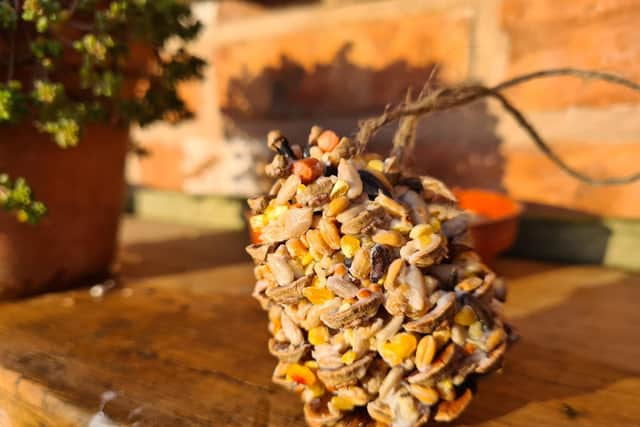
1. Give food: provide year-round food sources such as berry-rich shrubs, hedges and fruit trees, native wildflowers and a compost heap.
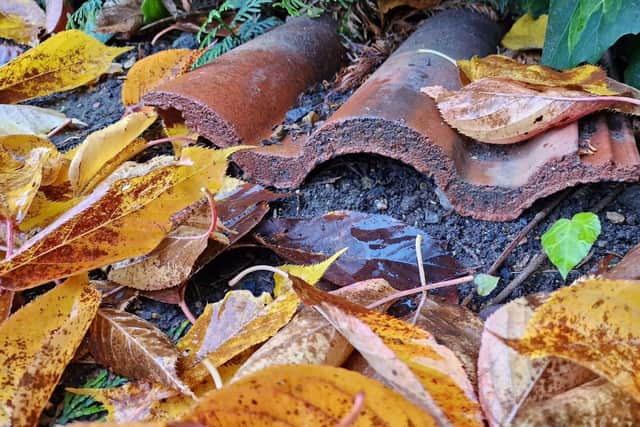
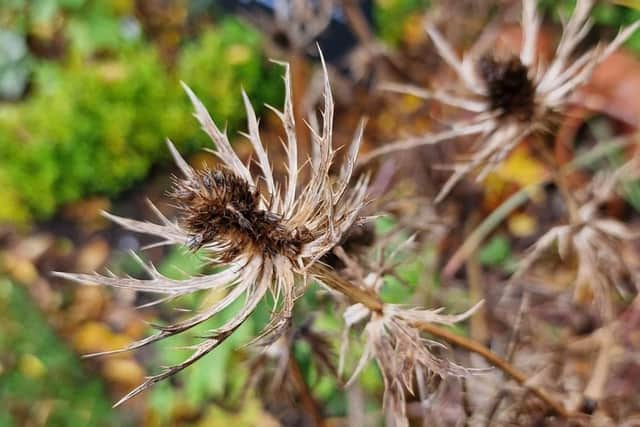
2. Give shelter: leave seed heads and stack twigs, logs and leaves for habitats.
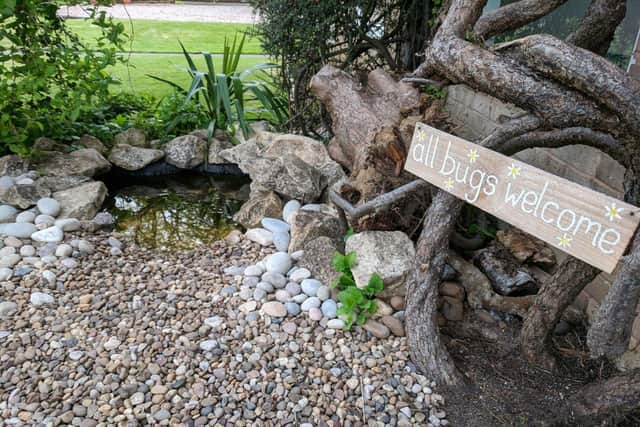
3. Give water: make a pond in a trug, or a bog in a waterlogged area, or regularly refresh shallow dishes of water and pebbles for bees and birds.
4. Give access: create a hedgehog highway – a hole in your fence or wall – so hedgehogs can move freely between gardens.
5. Give it a rest: allow lawns to grow longer, encourage wild patches and swap pesticides for preventative measures.
6. Big Give: Have twice the impact by donating to Garden Organic via the Big Give Christmas Challenge between 3-10 December at Make Every Garden Matter – and have your donation doubled.
- https://www.worldwildlife.org/press-releases/catastrophic-73-decline-in-the-average-size-of-global-wildlife-populations-in-just-50-years-reveals-a-system-in-peril