
Name revealed for Kenilworth's new Wetherspoon pub
The name for Kenilworth’s new Wetherspoon pub has been announced.
Earlier this month, The Courier and Weekly News ran a story about work starting at the new pub in The Square.
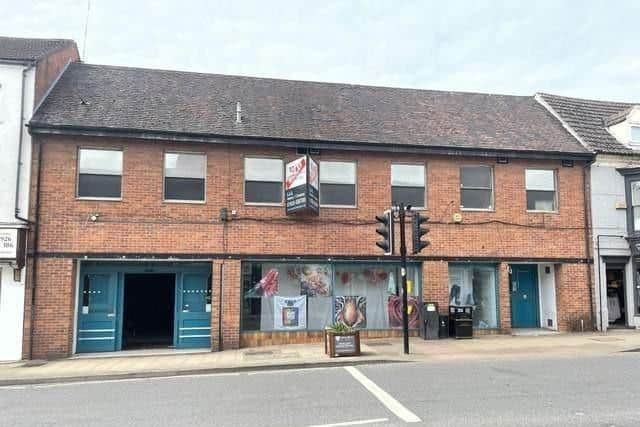

A spokesperson from Wetherspoon has now confirmed the pub will be called 'The Dictum of Kenilworth'.
The name references a peace treaty – of the same name – which was signed in 1266 end to the siege of Kenilworth and the Second Barons War.
The plans to turn the former Poundland site into a Wetherspoon pub were granted permission in March 2023 after a ‘discrepancy’ led to plans in 2022 being withdrawn.
The pub chain is now set to invest around £2million on the site.
Wetherspoon spokesman Eddie Gershon said: “The company is to start development work on its new pub in Kenilworth on Monday (February 17).
“We are looking forward to opening the pub, though there no opening date as yet.
“Wetherspoon believes the pub will be a great asset to the town and be welcomed by people in Kenilworth.”
The Siege of Kenilworth
Between June 25 and December 13 1266 for a total of 172 days, Kenilworth Castle was under constant attack in one of the most significant military contests of Henry III’s reign.
The king’s conflict with his nobles had escalated into civil war some years prior.
The leader of the rebel nobles was the king’s own brother-in-law Simon de Montfort, Earl of Leicester, who had custody of Kenilworth Castle since 1244.
When Montfort was killed in August 1265 at the Battle of Evesham, his supporters continued to use the castle as a base for their resistance.
After Henry’s messenger to the rebels returned to him with a severed hand in March 1266, he then attempted to reclaim the former royal stronghold by force.
The king used a large arsenal of weaponry in his attacks, including 60,000 crossbow bolts and nine siege engines including catapults, to attempt to breach the 14-feet thick walls of the castle.
However, the garrison inside had also equipped themselves with similar siege engines.
The rebels were able to repel attacks inside the castle’s walls until the tail end of 1266, by which time disease and starvation were beginning to take hold.
They were forced to surrender and had to accept the terms of the Dictum of Kenilworth.