
Warwick Castle awakens medieval sleep tradition for World Sleep Day
Warwick Castle is turning back the clock and reviving a medieval bedtime tradition, inviting guests to sleep like it’s 1068 this World Sleep Day with a ‘Good Knight’s Sleep’.
On Friday (March 13), the Warwick Castle Hotel will offer a ‘two sleeps’ package for guests eager to relive the ancient tradition of biphasic sleep – a pre-industrial routine where many people slept in two phases, with a wakeful ‘between sleeps’ period in the middle of the night.
Before electricity reshaped routines with round the clock light, historically, a break for midnight productivity separated sleep into two stages, with a wakeful period for chores, reading, prayer, mending clothes or seeing to animals.
Now, the castle is reviving the antiquated habit, where medieval Brits would wake for one-two hours during the night, in a period known as ‘the watch.’
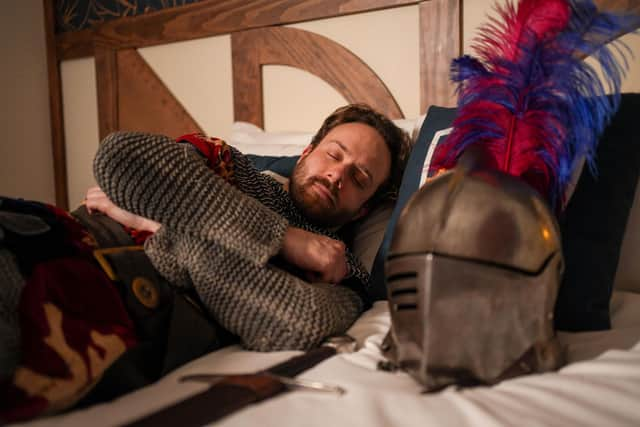

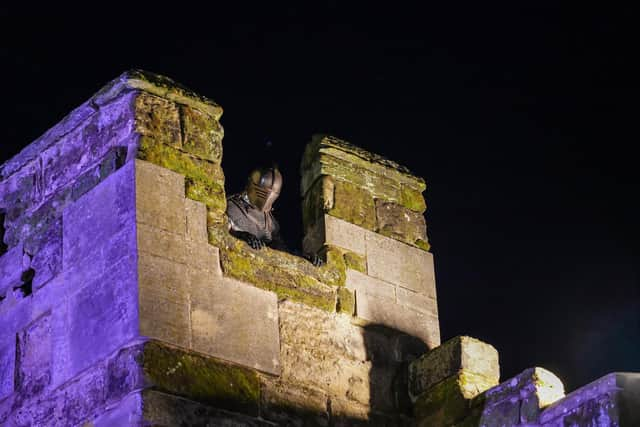
Guests at the castle will have the opportunity to relive the habits of medieval ancestors and experience the castle after hours.
Mark Winnett, resident historian at Warwick Castle, said: “Appearing in historical documents such as Chaucer’s Canterbury Tales, the ‘two sleeps’ of the medieval times was something that the majority of Brits would have taken part in.
"Inherited from our prehistoric ancestors, we used the gap in night time sleeps for tending to animals, household chores, visit neighbours and to pray.
"With World Sleep Day coming up, we thought it would be the perfect opportunity to immerse visitors in medieval sleeping patterns to really unleash history.”
Dr Lindsay Browning, chartered psychologist, neuroscientist, and author advises caution for those ready to implement the medieval sleeping practice into their routine.
She said: “There is strong historical evidence that segmented sleep was once common, and this provides a helpful opportunity to normalise night time awakenings.
"Historically, these awakenings were often used for practical household tasks, prayer, reflection, and importantly they weren't viewed as a problem.
"Many people today get anxious when they wake up in the night, but brief awakenings are a normal part of sleep. Anxiety about waking up can be more disruptive to sleep than the awakening itself.
“If someone is awake for a long time, we advise that they should get up and do something else for a little while rather than lying in bed becoming increasingly frustrated about not sleeping.”
For more information or to book a stay go to: https://www.warwick-castle.com/short-breaks/