
RSC Macbeth review: Boozy, brutal and brilliant
Peter Ormerod reviews Macbeth, by William Shakespeare, presented by the RSC at The Other Place, Stratford
The air is filthy. It hangs heavy with cigarette smoke and alcohol breath and sticky sweat and bored testosterone. It is the air of a Glasgow pub, and it is the air that fuels this brutal and brilliant Macbeth.
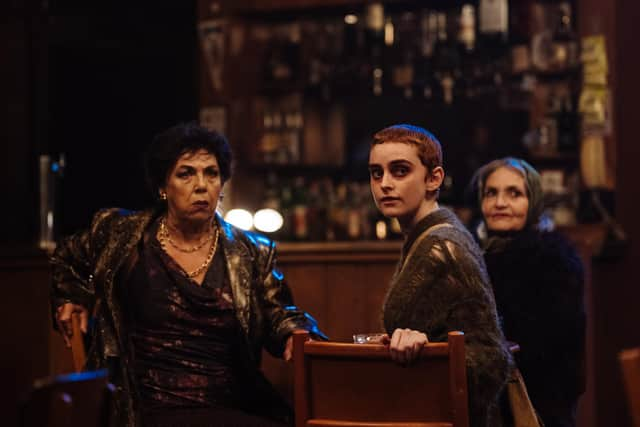

There is no romance to this Scotland, no majestic Highlands, no tartan or bagpipes or castles. Just a bunch of men and a few women, working out what to do with their lives. They are racked with ancient enmities and jealousies and ambitions. There are children, too: in them may lie hope, or may lie threat.
And there are three witches, the kind you might see down a boozer. There are no pointy hats or black cats or broomsticks, but they know things. Maybe they see far into the future. Maybe they just see deeply into the present. They have no cauldron, just a primus stove and a small kettle, and you daren’t mock them.
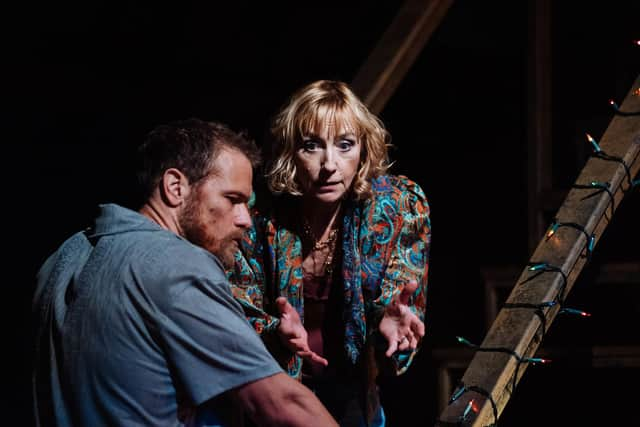
This production, directed by Daniel Raggett, shows what can be done with one simple and superb idea. The Other Place is an inspired choice of venue: there is none of the weight of the Royal Shakespeare Theatre, none of the warmth of the Swan. The audience is in this pub with these people, surrounding them. Anna Reid’s set is essentially the auditorium. Television sets show the racing; in moments when normality disintegrates, they show hypnotic static. The potential for terror is established in the opening seconds: the theatre plummets into blackout, and there is deafening, indefinable noise. Much of the the action thereafter is underscored with a cold drone, the pub lit mostly warmly but dimly, bright rays flickering through fans. The atmosphere is intense and unrelenting.
And the horror here feels real, the weapons usually drawn from toolbox. Screwdrivers are assessed for their potential as devices of torture or slaughter. Macbeth at one point decides to kill a young smiling boy; he walks the child towards a door and, along the way, picks up a hammer. The same weapon is used to murder a woman who had just been glassed. The violence is truly sickening, as it should be.
In other hands, this might all make for bitter and depressing viewing. But it is shot through with a captivating intelligence. Sam Heughan plays Macbeth with broad shoulders, wide eyes and complete transparency, almost naivety. Lia Williams as Lady Macbeth dazzles like, well, a brief candle. There are no weak links in the cast; not for one second does the spell break. The overall concept is so strong that it needs nothing else, no jumble or clutter, and there is no evident desire to preach. We can ask why a king might stay at a pub; but we may then wonder who a king might be on a Glasgow estate.
If there is an overriding theme here, perhaps it is masculinity, but it rarely ventures beyond Shakespeare’s own words. When Macduff discovers that his wife and children are killed, he is urged to “dispute it like a man”, to which Macduff replies: “I shall do so, but I must also feel it as a man.” Here, that line rings out as strongly as any other. There are also vaguely heartening expressions of brotherhood.
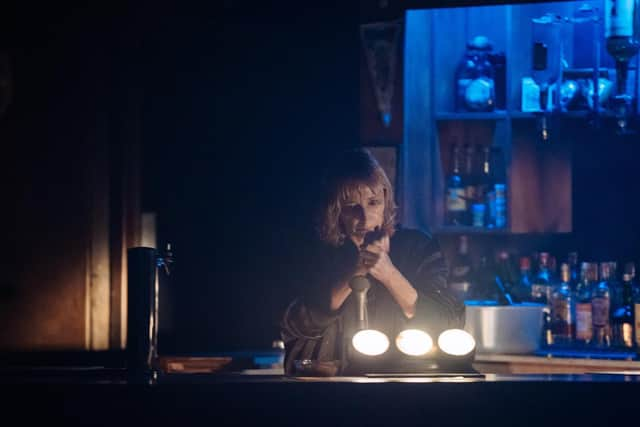
The ending is perhaps anticlimactic, but that may be the point. What has all this been for, really? Why do we do this, make fair foul and foul fair? Raggett shows us our fog, and filthy air.
Until December 6. Call 01789 331111 or visit rsc.org.uk to book.