
Charity Spotlight: The Esther Project - the organisation supporting vulnerable women across Warwickshire
South Warwickshire is full of so many worthwhile charities and good causes. The work that many of these organisations do is often life-changing. That is worth shouting about. The Courier and Weekly News will be running a regular feature to shine a spotlight on the organisations in our area that help people in the community. This time, we spoke to Lianne Kirkman, founder of The Esther Project.
The beginning
The story behind The Esther Project goes back more than 30 years through the work of founder, Lianne Kirkman.
Lianne began volunteering in soup kitchens and working directly with women involved in street prostitution, helping them find safer routes away from exploitation.
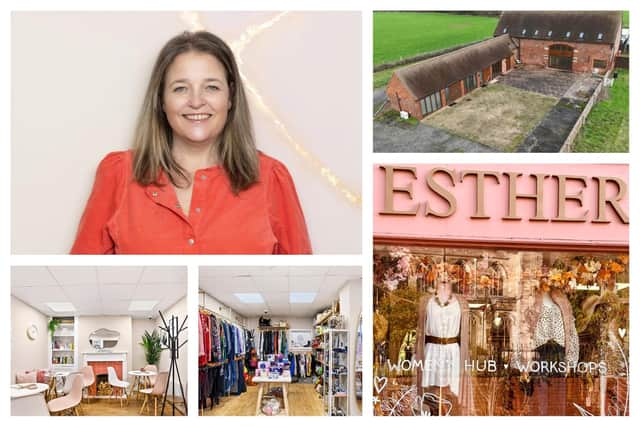

She later trained as a nurse, specialising in complex care, before working as a detox nurse and then a practice nurse.
She also continued community work, including helping to establish Embrace in Coventry in 2011, which supports women involved in street-based sex work.
In 2015, using a £250 donation, Lianne founded Helping Hands Community Project in Leamington as a registered charity, supporting people facing homelessness and hardship.
During her nine years at Helping Hands, Lianne said one issue became clear – women experiencing homelessness, domestic abuse, addiction, trauma, poor mental health and exploitation did not feel safe accessing mixed-gender services.

She said: “Women in these situations do not register in the statistics, thereby rendering them ‘invisible’ to many councils and outreach organisations.”
Lianne spoke to homeless services nationally, and slept out for 10 nights in different locations and saw hundreds of ‘hidden’ women living on the streets, even in areas where she was told there were none.
How the organisation evolved
Esther House was established under Helping Hands, creating women-only supported accommodation.
In 2024, Lianne stepped away from Helping Hands to develop The Esther Project as an independent organisation for women.
Now, Esther House is a seven-bedroom home and in August the organisation acquired another property – adding two more beds to its safe spaces.
The organisation also provides counselling, mentoring, recovery programmes, well-being and mental health programmes, employability opportunities as well as weekly drop-in sessions, activities and talks.
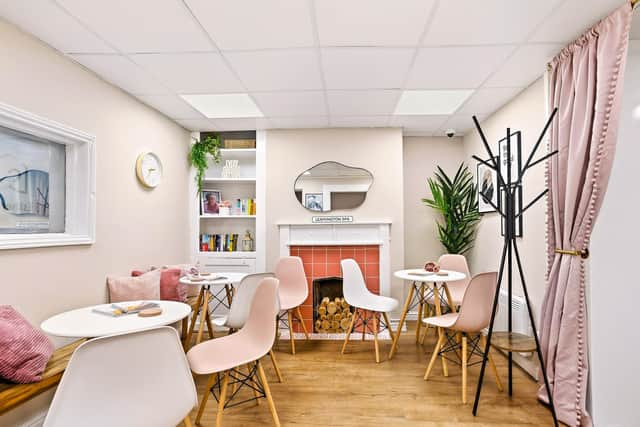
In December 2025, The Esther Project opened its Leamington hub for women to access support as well as socialising.
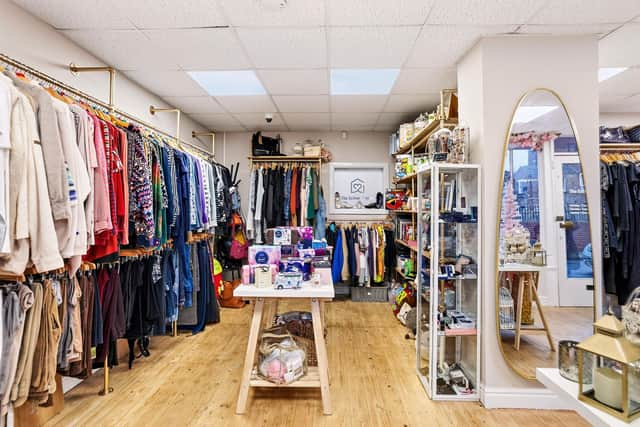
It also opened ‘Esther’ – a preloved shop, which Lianne said is also another contact point for women seeking help.
Lianne said: “As we've grown, we've seen an increase in the complexity of the situations women are facing.
“Around half of the referrals to our accommodation over the last 18 months have been for women whose needs were too complex for our existing low-to-medium-needs model.
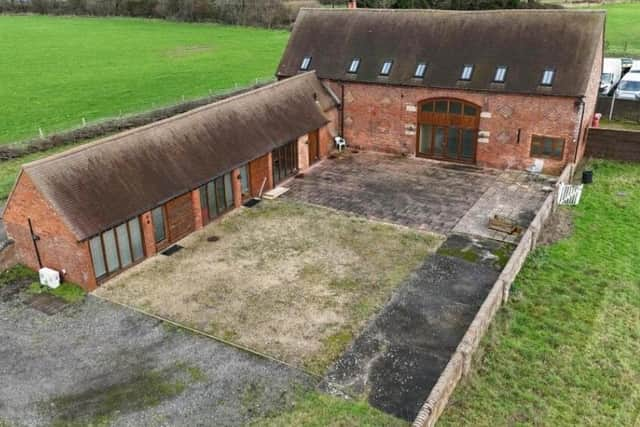
“That has shaped our next major development – a new rural women-only recovery retreat in Warwickshire, which now has planning permission.”
Lianne added: “Although Esther has grown considerably, the principle hasn't changed: rather than expecting a woman to fit a particular service, we aim to build support around the whole woman and where she is in her recovery journey.”
Supporting women
Since July 2024, around 180 women have reached out to The Esther Project for support, including around 50 women needing accommodation – and demand continues to grow.
Lianne said: “In the first six months of 2026 alone, we delivered around 200 counselling sessions and recorded 465 attendances across our services and activities.
“Five Esther House residents have successfully moved into independent accommodation.
“But some of the results that matter most to us are difficult to put into numbers.
“Success might be a woman who has been isolated finding the confidence to walk through our door for the first time, somebody beginning counselling, forming healthy relationships, volunteering, learning a new skill, moving into her own home or beginning to think about employment.”
Fundraising
Fundraising needs have also grown and Lianne said the more they raise, the more women they can support.
She said: “On average, it costs around £10,000 a year to support a woman living in our accommodation, providing not just a safe home but the wraparound support for recovery and independence.
“Supporting a woman within the community costs around £7,000 a year, which can include counselling, one-to-one support, recovery and well-being programmes, practical support and opportunities to build confidence, skills and connections.
“But making a difference doesn't require a £7,000 donation. £5 a month, for example, can cover the cost of a support worker's mobile phone – something that can be a genuine lifeline for women in crisis and a route into the support that can help change their lives.”
The income for the Esther Project comes from charitable trusts and foundations, grants, corporate partnerships, fundraising, events and the shop.
Lianne added: “As we develop our new rural recovery retreat, fundraising will become even more important.
“Ultimately, fundraising for The Esther Project isn't simply about hitting a financial target – it's about how many women we can say “yes” to."
Community support
Community support has always been fundamental to the Esther Project and comes in many forms.
Individuals, community groups and businesses help by donating their time, skills, goods and financial support.
Volunteers also help run the shop, support activities and events as well as creating welcoming spaces for women.
Corporate volunteering also plays a big part.
Lianne said: “We're preparing a two-bedroom flat which will become a new Esther home, and we're looking for business teams to help us decorate and get it ready to welcome its first residents.
“For us, that's a lovely example of what community support can achieve.
“A team might give us one day of their time, but at the end of that day they have helped create a safe, welcoming home for women beginning a new chapter in their lives.”
Lianne added: “It really does feel as though the community isn't simply supporting The Esther Project – it's helping us build it.”
For more information about the Esther Project, go to: https://www.theestherproject.co.uk/