
New Leamington exhibition explores town's historical links with West Africa, the Caribbean, and the Americas
Leamington Art Gallery and Museum’s latest exhibition explores the town’s links with West Africa, the Caribbean, and the Americas from the late 18th to the early 20th centuries.
Built with Malice Aforethought: Leamington Spa and the Black Atlantic, which launched over the bank holiday weekend, will run at the gallery at the Royal Pump Rooms until Sunday September 15.
Like places and people all over Britain, Leamington and its inhabitants benefited hugely from the wealth generated by colonialism and the transatlantic slave economy.
This money funded much of Leamington’s grand Regency architecture, and flowed down through the generations, supporting wealthy residents through the Victorian period and beyond.
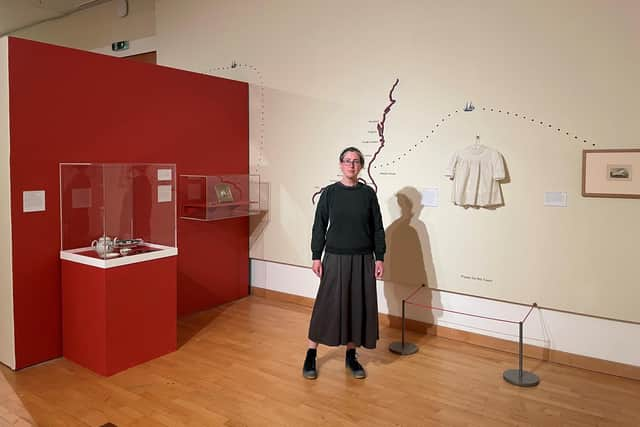

The legacies persist in the town today, including in the collections of the art gallery and museum.
The term ‘Black Atlantic’ was coined by writers Robert Farris Thompson and Paul Gilroy to describe the cultures shared among people of the African diaspora as they confronted enslavement, empire and their after-effects.

In the exhibition, the term is used to encompass the wide variety of personal, political, economic, and cultural connections spanning the Atlantic as a result of enslavement and empire.
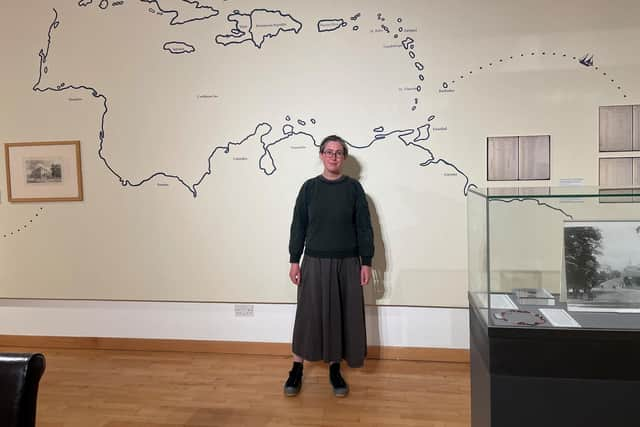
The exhibition features the history behind Leamington landmarks including the Royal Pump Rooms and the Regent Hotel, alongside surprising stories like the town’s popularity with Confederates during the American Civil War.
Objects on display include rarely-seen 19th-century West African pieces such as Congolese ivory carvings and a Sierra Leonean balafon- a traditional percussion instrument.
Curator Lily Crowther said: “People are talking more and more about the role of the transatlantic slave trade in the development of Britain’s big trading cities – like London, Liverpool and Bristol – but the histories of empire and colonialism are intertwined with our local history all over the country.
"This exhibition shows the variety and complexity of relationships with the Atlantic world even in an inland resort town like Leamington.”
“The title of the exhibition comes from American author Nathaniel Hawthorne’s memoir of his time in England in the 1850s, in which he wrote ‘whether in street or suburb, Leamington may fairly be called beautiful, and, at some points, magnificent but, by and by, you become doubtfully suspicious of a somewhat unreal finery... it has been built, with malice aforethought, as a place of gentility and enjoyment’.”
Admission to the exhibition is free.