
Management plans will secure futures of woodlands in Leamington and Kenilworth
Woodland management at Oakley Wood and Kenilworth Common Nature Reserves continue to secure their long-term health, The Warwickshire Wildlife Trust has said.
In 2020, in partnership with Warwick District Council, Warwickshire Wildlife Trust began implementing its newly-created ten-year woodland management plans, designed to protect and support woodlands for future resilience.
The plans will ensure the woodlands are sustainably managed and are in the best condition possible for both people and wildlife.
These plans cover four large woodlands owned by Warwick District Council and jointly managed by both the Council and Warwickshire Wildlife Trust.
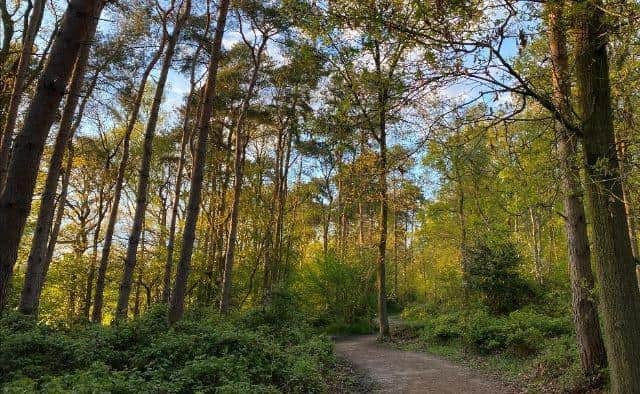

Woodland management operations this winter are planned at Oakley Wood, near Leamington, and Kenilworth Common.
This work follows on from two successful woodland thinning operations at Oakley Wood and the installation of 3.3km of surfaced paths for visitors, and a woodland thinning at Leam Valley Local Nature Reserve.
Like previous activities at Oakley Wood, a small proportion of the trees will be removed, and several 30-metre clearings will be created.
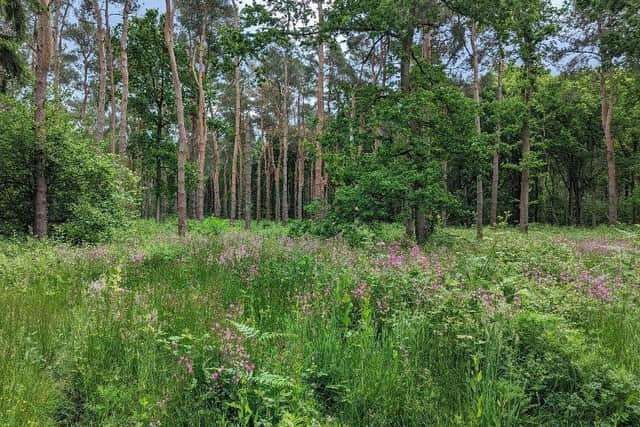
These openings in the tree canopy will provide light and space for native trees to grow, such as oak and birch.
The natural growth of native trees will need to be supplemented by increased tree planting in the wood.
And the trust will be thinning out parts of Kenilworth Common allowing more light to reach the woodland floor to encourage the next generation of trees to grow and promote the long-term health of the woodland and its wildlife.
Throughout the work, the woodland will be closely monitored, and its reactions will help longer-term plans to support the woodland for future generations. The larger scale work will be carried by contractors and whilst woodland management can appear destructive, cause temporary inconvenience, and hamper accessibility, the woodland soon recovers.
The trust’s woodland officer Nick Feledziak said: “Warwickshire is among the least wooded counties in the UK, which makes the woodlands in this district precious not only in terms of the landscape, but also for the role they play in securing carbon, purifying the air we breathe and prevention of flooding. "One of the biggest threats to our woodlands would be a decision not to manage them, so while this programme of work may initially appear destructive, the woodland will soon recover and gain greater biodiversity and better protection from pests, diseases and climate change.”